 |
 |
 |
 |
 |
 |
 |
 |
 |
 |
 |
 |
 |
 |
 |
 |
|
fwubz3mkgi2 air conditioning kent: clear choices for comfortable homes and workplacesI cut through the noise so you can decide with confidence. The goal is simple: steady comfort, clean air, sensible bills. The path takes a little thought. What you gain
A quick, real moment: on a humid August afternoon in Whitstable, a small split system took a meeting room from 27°C to 22°C before a project kickoff. No one talked about the unit. They just got more done. Systems that suit Kent propertiesSingle-splitOne indoor unit to one outdoor unit. Ideal for a home office, snug, or loft conversion. Least disruption, strong value. Multi-splitSeveral indoor units on one outdoor. Good for terraces and semis where wall space is tight. Balanced performance; slightly more complex routing. DuctedHidden grilles, clean lines. Best in renovations with ceiling voids. Whisper quiet when designed well. VRF/VRVScalable for larger homes or light commercial. Zoned control, long pipe runs, excellent part-load efficiency. Portable and window unitsUseful as stopgaps. Higher noise and lower efficiency; fine for short-term needs or listed settings where external changes are tricky. Sizing and performance (the quiet decider)Right size beats big size. Heat gain/loss comes from area, insulation, glazing, orientation, and occupancy. In coastal Kent, humidity nudges loads up; inland heat spikes add peaks. Look for SEER (cooling) and SCOP (heating) in the 4 - 6+ range, R32 refrigerant, and variable-speed compressors. Undersize and it runs hard; oversize and it short-cycles, wasting energy and comfort. Installation path that actually works
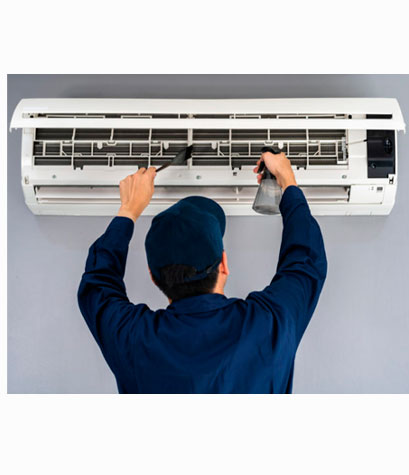
Costs, noise, and daily useSet realistic temperatures - 22 - 24°C cooling, 19 - 21°C heating - and let the system glide. Well-matched kit sips power at part load; noise sits near a calm library indoors and a quiet conversation outdoors when specified correctly. Care that keeps outcomes predictable
Decision-finalizers I look for
A soft caveat (so you aren't surprised)Real homes add wrinkles: sun through bay windows, leaky loft hatches, wind across rooftops in Thanet. None of this breaks the plan; it just means a careful survey beats assumptions. Next sensible stepsSketch the rooms you want conditioned, note window sizes and glazing type, and take a few photos of likely outdoor spots. With that, shortlists become obvious and quotes get comparable - making air conditioning Kent feel like a confident yes, not a guess.
|



